
Warner Ranch Lawn Edging Services
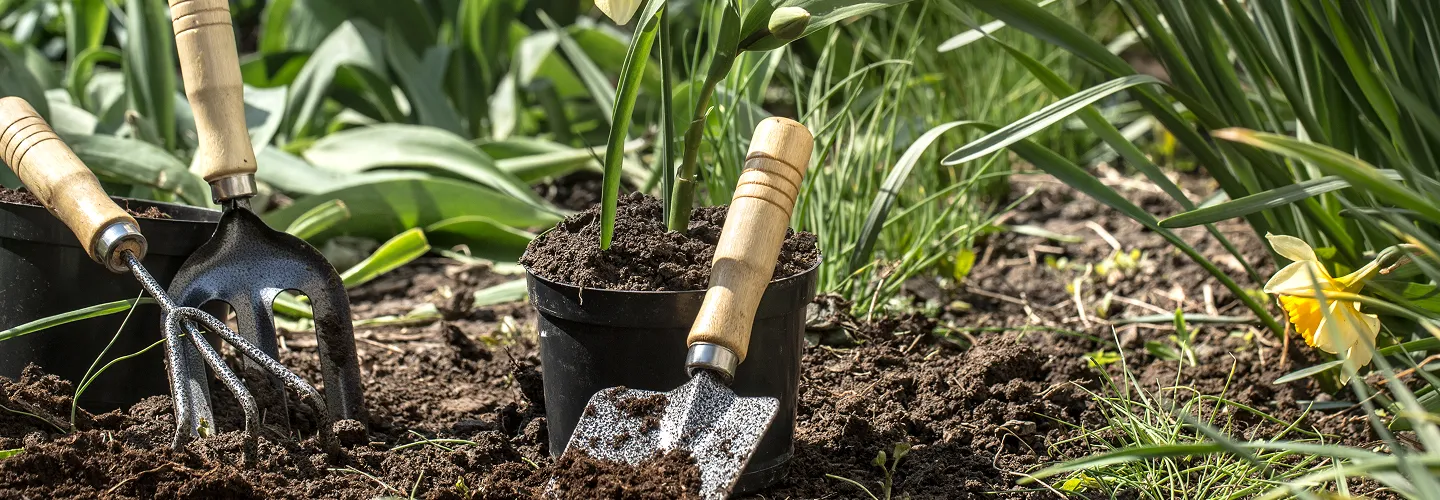
Choose our Lawn Edging for precise, durable borders that elevate your curb appeal and make yard maintenance effortless—experience the difference of expert craftsmanship and attention to detail.
Get a Free QuoteOur Warner Ranch Landscaping & Yard Care Services
When to Schedule Lawn Edging in Warner Ranch, Arizona – Seasonal Guide
In Warner Ranch, Arizona, the timing of your lawn edging can make a significant difference in both curb appeal and landscape health. Due to the region’s unique climate—characterized by hot, dry summers and mild winters—optimal lawn edging is typically scheduled in early spring or late fall. These periods avoid the peak summer heat, which can stress turf and soil, and allow for clean, precise edges that last through the growing season. Neighborhoods near Kyrene de la Mariposa Elementary and the Warner Ranch Park benefit from early spring edging, as this prepares lawns for increased foot traffic and growth.
Local environmental factors such as the area’s clay-heavy soils, variable shade from mature mesquite and palo verde trees, and the risk of late spring frosts all play a role in determining the best time for service. Homeowners should also consider municipal guidelines and water restrictions, which can impact when and how often edging is performed. For more information on local landscaping regulations, visit the official municipal site.
Local Factors to Consider for Lawn Edging in Warner Ranch
- Tree density and shade coverage, especially near Warner Ranch Elementary
- Soil type (clay and sandy loam are common)
- Seasonal precipitation and drought risk
- Frost dates, typically late November to early February
- Terrain and slope, particularly in areas bordering the canal
- Municipal restrictions on water usage and landscaping hours
Benefits of Lawn Edging in Warner Ranch
Enhanced Curb Appeal
Weed Growth Prevention
Defined Landscape Borders
Low Maintenance Solutions
Increased Property Value
Professional Installation Expertise
Warner Ranch Lawn Edging Types

Steel Lawn Edging
-
Plastic Landscape Edging
-
Brick Lawn Borders
-
Natural Stone Edging
-
Concrete Curb Edging
-
Wooden Landscape Borders
-
Rubber Lawn Edging
Our Lawn Edging Process
Site Evaluation
Marking Edges
Cutting the Edge
Debris Removal
Final Inspection
Why Choose Warner Ranch Landscape Services
-
Warner Ranch Homeowners Trust Us
-
Expert Lawn Maintenance
-
Reliable Irrigation Solutions
-
Comprehensive Weed Control
-
Professional Tree and Shrub Care
-
Seasonal Cleanup Services
-
Competitive Pricing
Coordinating Lawn Edging Services with Warner Ranch's Municipal Infrastructure Programs
Lawn edging in Warner Ranch—a master-planned community within the City of Tempe—requires awareness of municipal infrastructure and maintenance standards that govern curb lines, sidewalk frontages, and public right-of-way areas. The City of Tempe's Public Works Department oversees street maintenance, curbside debris management, and stormwater inlet protection, all of which intersect directly with routine lawn edging operations. Residents and property managers should ensure that grass clippings, soil debris, and edging waste are swept away from curb gutters and storm-drain inlets after each service visit. Tempe's bulk collection and green waste programs may apply when edging generates significant organic material during seasonal cleanups.
- Keep all edging debris out of street gutters, curb inlets, and drainage channels
- Coordinate with Public Works regarding right-of-way boundaries before edging along sidewalks or medians
- Verify current green waste disposal procedures through the city before scheduling large-scale edge restoration work
Tempe Public Works Department
31 E. Fifth Street, Tempe, AZ 85281
Official Website: Tempe Public Works
How Warner Ranch's Low-Desert Heat and Alkaline Soils Affect Lawn Edging
Warner Ranch sits within the Phoenix metropolitan low-desert environment, classified under USDA Hardiness Zone 10a, where summer temperatures routinely exceed 110°F and soils trend strongly alkaline. These conditions create specific challenges for lawn edging that differ substantially from temperate-climate maintenance. The predominant turf species in Warner Ranch—bermudagrass during summer and overseeded perennial ryegrass during winter—respond differently to edging stress depending on season and irrigation status. Soils in this area commonly include compacted subdivision fill, alkaline sandy loam, and occasional caliche layers near the surface, which can dull edging blades and resist clean vertical cuts.
- Reflected heat from block walls, concrete sidewalks, and decorative pavers accelerates turf desiccation along edges, requiring irrigation adjustments near hardscape boundaries
- Alkaline soil crusting along curb lines and walkways can harden edge trenches, making mechanical edging preferable to string trimming for clean definition
- Monsoon runoff between July and September can erode freshly cut edge channels, depositing sediment into curb gutters and retention basins
- Irrigation overspray along property edges frequently causes turf encroachment onto sidewalks and driveways, increasing edging frequency requirements
The University of Arizona Cooperative Extension provides region-specific guidance on turf management practices that complement proper edging schedules in low-elevation Arizona.
Navigating Warner Ranch's Code Compliance and Stormwater Rules for Lawn Edging
Property maintenance standards enforced through Tempe's Code Compliance division apply to lawn edging insofar as overgrown turf encroaching onto public sidewalks, curbs, or neighboring properties may trigger code violations. Residents should be aware that the city enforces property maintenance standards that include keeping vegetation trimmed and contained within property boundaries. Edging debris—including soil, grass clippings, and organic matter—must not be discharged into the municipal storm sewer system, consistent with Arizona DEQ Phase II MS4 requirements and the federal Clean Water Act.
- Turf that extends over sidewalk edges or into street gutters may be subject to code enforcement action; verify current standards through the city's compliance office
- Edging operations near retention basins or drainage easements should avoid directing clippings or sediment into stormwater infrastructure
- Commercial lawn edging operators should confirm that equipment noise complies with applicable municipal noise provisions
Tempe Code Compliance
31 E. Fifth Street, Tempe, AZ 85281
Official Website: Tempe Code Compliance
Tempe Engineering Department
31 E. Fifth Street, Tempe, AZ 85281
Official Website: Tempe Engineering
Timing and Methods for Professional Lawn Edging in Warner Ranch's Climate
Effective lawn edging in Warner Ranch requires alignment with the area's distinct growing seasons and extreme temperature cycles. According to the University of Arizona Turfgrass Maintenance Guide, bermudagrass enters active growth from late April through September, which is the period of greatest lateral spread and the highest edging demand. During winter overseeding months (October through March), perennial ryegrass grows more slowly but still requires periodic edge maintenance along hardscape transitions.
- Mechanical blade edgers produce the cleanest vertical cuts along concrete curbs, sidewalks, and mow strips, and are preferred over string trimmers for defined edge trenches
- Edging frequency during peak bermudagrass growth typically ranges from every one to two weeks, depending on irrigation volume and turf vigor
- Early morning scheduling (before 9:00 AM during summer months) reduces heat stress on both turf and operators, and minimizes rapid moisture loss from freshly exposed edge cuts
- Post-edging cleanup should include sweeping or blowing all clippings and soil back onto turf areas rather than into gutters, curb inlets, or adjacent decomposed granite beds
- Irrigation should be timed so that edging occurs on dry turf; wet soil produces ragged cuts and increases debris scatter onto hardscape
The Arizona Department of Water Resources encourages landscape practices that minimize water waste, including adjusting sprinkler heads that overspray onto hardscape—a common cause of accelerated turf encroachment that increases edging demand.
What Neighborhoods Do We Serve Throughout Warner Ranch, AZ?
- Warner Ranch Estates — Larger lot sizes with established bermudagrass lawns and extensive hardscape borders create consistent edging demand along driveways, walkways, and block-wall perimeters
- Warner Ranch Tempe — This core subdivision features uniform mow strips and concrete sidewalk frontages where turf encroachment is a frequent maintenance concern during summer growth periods
- Pecan Grove — Mature pecan and shade trees in this area contribute to denser turf growth along edges, requiring more frequent mechanical edging to maintain clean hardscape transitions
- Coventry Tempe — Properties adjacent to community retention basins and drainage easements require careful edging practices to prevent debris from entering stormwater infrastructure
- Oasis at Warner Ranch — Compact lot configurations with shared sidewalks and common-area turf borders make coordinated edging schedules important for maintaining neighborhood appearance standards