
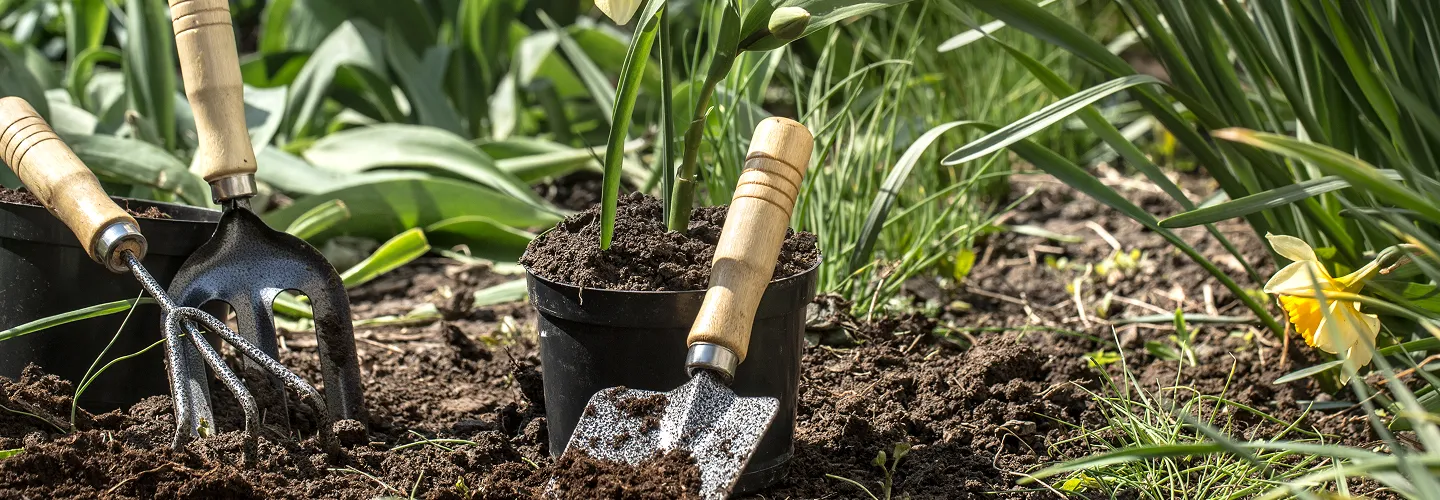
Warner Ranch Hydroseeding Services
Choose our hydroseeding services for a cost-effective, efficient, and environmentally friendly way to achieve a thick, healthy lawn—perfect for homeowners who want beautiful results with less hassle.
Get a Free QuoteOur Warner Ranch Landscaping & Yard Care Services
When to Schedule Hydroseeding in Warner Ranch, Arizona – Seasonal Guide
Timing is everything when it comes to successful hydroseeding in Warner Ranch, Arizona. The region’s unique blend of desert climate and suburban landscaping—especially in neighborhoods near Warner Ranch Elementary and the scenic Warner Ranch Park—means that the best results are achieved by carefully planning around local weather patterns. Typically, late winter through early spring (February to April) is ideal, as soil temperatures begin to rise and the risk of frost diminishes. This window allows new grass to establish before the intense summer heat sets in, while also taking advantage of moderate rainfall and increased humidity.
Local environmental factors play a significant role in determining the optimal hydroseeding schedule. For example, areas with dense shade from mature mesquite and palo verde trees, or properties with clay-heavy soils common near the Kyrene Canal, may require special consideration. Homeowners should also be aware of municipal watering restrictions and drought advisories, which can impact both timing and aftercare. For more detailed information on local regulations and seasonal recommendations, consult the official Warner Ranch community resources.
Local Factors to Consider for Hydroseeding in Warner Ranch
- Proximity to mature tree canopies and resulting shade coverage
- Soil composition (sandy vs. clay-heavy areas)
- Average precipitation and irrigation availability
- Frost dates and risk of late cold snaps
- Terrain slope and drainage patterns
- Municipal watering restrictions and drought advisories
- Neighborhood-specific microclimates (e.g., near parks or canals)
Benefits of Hydroseeding in Warner Ranch
Fast Lawn Establishment
Cost-Effective Landscaping Solution
Erosion Control
Uniform Grass Coverage
Environmentally Friendly Process
Custom Seed Blends Available
Warner Ranch Hydroseeding Types

Erosion Control Hydroseeding
-
Native Grass Hydroseeding
-
Wildflower Hydroseeding
-
Sports Turf Hydroseeding
-
Commercial Lawn Hydroseeding
-
Sloped Area Hydroseeding
-
Custom Seed Blend Hydroseeding
Our Hydroseeding Process
Site Preparation
Soil Conditioning
Hydroseed Application
Watering and Maintenance
Growth Monitoring
Why Choose Warner Ranch Landscape Services
-
Warner Ranch Homeowners Trust Us
-
Expert Lawn Maintenance
-
Reliable Irrigation Solutions
-
Comprehensive Weed Control
-
Professional Tree and Shrub Care
-
Seasonal Cleanup Services
-
Competitive Pricing
Coordinating Hydroseeding Projects with Warner Ranch's Municipal Engineering and Public Works
Hydroseeding in Warner Ranch, AZ—a master-planned community within the City of Tempe—requires coordination with municipal departments that oversee grading, drainage, and stormwater infrastructure. Because Warner Ranch sits within Tempe's jurisdiction, property owners and managers should engage the city's engineering and public works divisions before initiating hydroseeding on slopes, retention basin perimeters, or areas adjacent to drainage corridors. The City of Tempe's Engineering Department reviews site work that may affect grade, runoff flow, or right-of-way conditions, which are common considerations for hydroseeding applications on disturbed or newly graded land.
- Confirm whether proposed hydroseeding areas fall within or adjacent to city-maintained drainage easements or retention basins
- Coordinate with public works regarding any sediment or slurry runoff that could enter storm drain inlets during application
- Verify site-specific grading requirements before applying hydroseed to slopes exceeding typical residential grades
Tempe Engineering Department
Official Website: Tempe Engineering Department
Tempe Public Works Department
Official Website: Tempe Public Works Department
How Warner Ranch's Low-Desert Soils and Heat Affect Hydroseeding Establishment
Warner Ranch is situated in the Phoenix metro low-desert environment, classified within USDA Hardiness Zone 9b to 10a, where summer surface temperatures routinely exceed 110°F on exposed ground. These conditions directly influence hydroseeding success and demand careful attention to site-specific soil and climate factors. Soils throughout the Warner Ranch area commonly exhibit alkaline pH levels, often above 8.0, with profiles that may include compacted subdivision fill, decomposed granite layers, or shallow caliche hardpan that restricts root penetration and water infiltration.
- Alkaline soils reduce nutrient availability for germinating seed, particularly iron and phosphorus, requiring soil amendment consideration before slurry application
- Caliche layers can prevent adequate root establishment; mechanical scarification or ripping may be necessary on slopes or disturbed lots
- Reflected heat from block walls, concrete driveways, and adjacent hardscape accelerates moisture loss from the hydroseed mulch mat
- Monsoon runoff between July and September can wash away freshly applied slurry on unprotected slopes or near retention basin edges
- Irrigation dependence is critical, as natural rainfall outside the monsoon window is insufficient to sustain germination in the low desert
The University of Arizona Cooperative Extension provides region-specific guidance on turf species selection and establishment practices suited to these conditions.
Navigating Warner Ranch's Stormwater and Erosion Compliance for Hydroseeding
Hydroseeding projects in Warner Ranch must account for federal, state, and local stormwater regulations, particularly when applied on slopes, near washes, or on construction-disturbed land. The City of Tempe operates under Arizona DEQ's Phase II MS4 program, which requires municipalities to control pollutant discharge into the storm sewer system. Hydroseeding slurry contains tackifiers, mulch fiber, and fertilizer components that must not be allowed to migrate into curb inlets, retention basins, or downstream drainage channels.
- Projects disturbing one acre or more of land may require coverage under Arizona's Construction General Permit for stormwater, which mandates a Stormwater Pollution Prevention Plan (SWPPP)
- Fertilizer and seed components in hydroseed slurry are subject to runoff prevention requirements under the Clean Water Act
- Property owners should verify with Tempe's Pretreatment and Pollution Prevention division whether discharge controls are needed for larger residential or commercial applications
- Any seed mix used should be free of species listed on the Arizona Department of Agriculture noxious weed list
Tempe Pretreatment & Pollution Prevention Division
Official Website: Tempe Pretreatment & Pollution Prevention
Timing Hydroseeding Around Warner Ranch's Monsoon Season and Desert Heat Cycles
Professional hydroseeding in the low-desert Warner Ranch area follows narrow establishment windows dictated by extreme heat, monsoon intensity, and irrigation logistics. Unlike routine overseeding, hydroseeding is typically applied to establish permanent warm-season turf cover or erosion-control vegetation on slopes, bare lots, and post-construction sites. The University of Arizona Turfgrass Research program identifies bermudagrass as the primary warm-season species suited to low-elevation Arizona, and its optimal germination requires sustained soil temperatures above 65°F.
- Spring window (March through May): The preferred establishment period, allowing warm-season seed to germinate and root before peak summer heat; irrigation must be frequent—often multiple short cycles daily—to prevent the mulch mat from drying
- Early fall (September through October): A secondary window after monsoon intensity subsides, though shorter daylight and cooling soil temperatures reduce germination vigor for warm-season species
- Avoid mid-summer application (June through mid-July): Surface temperatures above 140°F on exposed soil can kill germinating seed despite irrigation; monsoon storms in July and August risk washing slurry off slopes before root anchoring occurs
- Slope stabilization: On grades steeding tackifier rates and fiber mulch density should be increased to resist sheet-flow erosion; temporary erosion blankets may supplement hydroseeding on steeper exposures
The Arizona Department of Water Resources encourages efficient irrigation practices during establishment, and property owners should confirm current watering restrictions with their local water provider before scheduling hydroseeding irrigation cycles.
What Neighborhoods Do We Serve Throughout Warner Ranch, AZ?
- Warner Ranch Estates — Larger residential lots in this area often feature open rear yards with full sun exposure, making slope stabilization and turf establishment through hydroseeding particularly relevant for erosion-prone graded areas
- Warner Ranch Tempe — Established subdivision lots with mature landscaping may require hydroseeding for bare-patch renovation or post-construction restoration where existing turf has been removed during utility or hardscape work
- Warner Ranch Park area — Properties adjacent to community park spaces and retention basins should coordinate hydroseeding placement to prevent slurry migration into shared drainage infrastructure
- South Warner Ranch — Newer infill and remodel activity in this section creates post-grading conditions where hydroseeding provides efficient ground cover establishment on compacted subdivision fill
- Kyrene Corridor adjacent sections — Lots near the Kyrene Road corridor experience elevated reflected heat from commercial hardscape, requiring adjusted irrigation frequency during hydroseed germination