
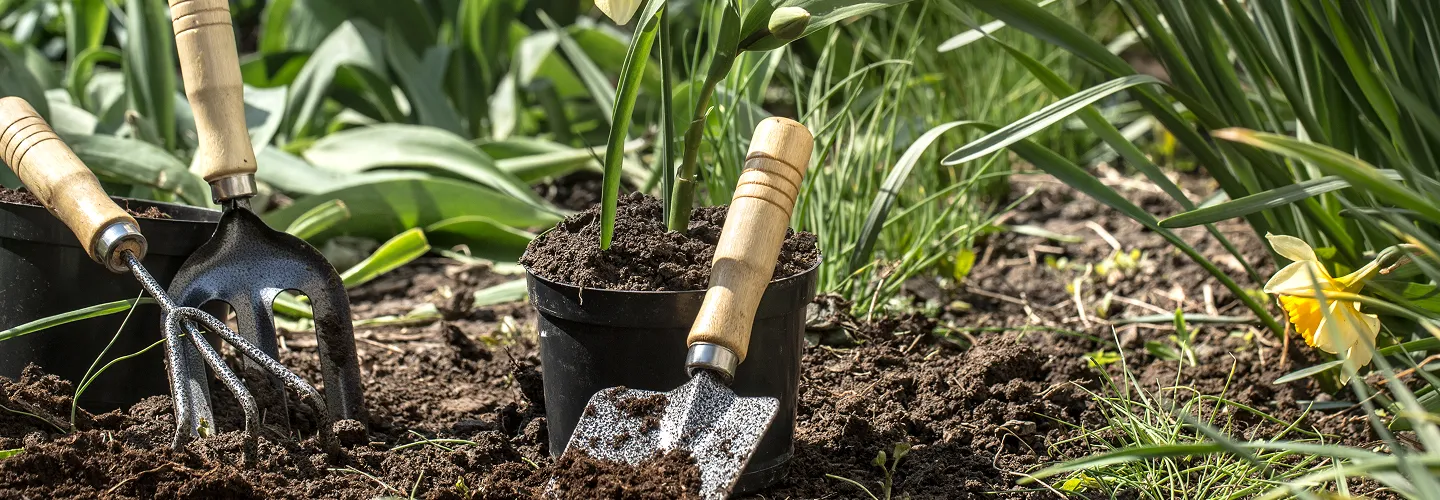
Warner Ranch Flower Planting Services
Choose our Flower Planting services for vibrant, expertly arranged blooms that enhance your curb appeal, thrive in your local climate, and bring lasting beauty to your outdoor spaces.
Get a Free QuoteOur Warner Ranch Landscaping & Yard Care Services
When to Schedule Flower Planting in Warner Ranch, Arizona – Seasonal Guide
In Warner Ranch, Arizona, timing your flower planting is essential for vibrant, long-lasting blooms. The region’s unique climate—characterized by warm, dry springs and hot summers—means that early spring and late fall are generally the best windows for planting. Local neighborhoods like Warner Ranch Crossing and areas near the Chandler Fashion Center benefit from slightly cooler microclimates, making late February through early April ideal for most annuals and perennials. It’s important to consider the last frost date, which typically falls in early March, to avoid damage to tender new plants.
Environmental factors such as drought risk, soil composition, and shade from mature trees in established communities like The Lakes at Warner Ranch play a significant role in determining the best planting schedule. Soil in Warner Ranch tends to be sandy with moderate drainage, so incorporating organic matter can help retain moisture during the dry months. Additionally, municipal guidelines and water restrictions—often updated on the Town of Sudbury’s website—should be reviewed before scheduling large-scale planting projects.
Local Factors to Consider for Flower Planting in Warner Ranch
- Tree density and available shade, especially in neighborhoods with mature landscaping
- Soil type and drainage, which can vary between newer and older developments
- Average precipitation and drought risk during spring and summer
- Frost dates and temperature fluctuations in early spring and late fall
- Municipal water use restrictions and local landscaping ordinances
- Terrain variations, such as sloped yards or low-lying areas prone to pooling
Benefits of Flower Planting in Warner Ranch
Expert Landscaping Team
Customized Plant Selection
Seasonal Color Enhancements
Eco-Friendly Planting Practices
Increased Curb Appeal
Reliable Maintenance Services
Warner Ranch Flower Planting Types

Annual Flower Beds
-
Perennial Borders
-
Wildflower Meadows
-
Seasonal Bulb Plantings
-
Pollinator Gardens
-
Shade Garden Plantings
-
Container Flower Arrangements
Our Flower Planting Process
Site Evaluation
Soil Preparation
Plant Selection
Careful Planting
Watering and Mulching
Why Choose Warner Ranch Landscape Services
-
Warner Ranch Homeowners Trust Us
-
Expert Lawn Maintenance
-
Reliable Irrigation Solutions
-
Comprehensive Weed Control
-
Professional Tree and Shrub Care
-
Seasonal Cleanup Services
-
Competitive Pricing
Coordinating Flower Planting Projects with Warner Ranch's Municipal Departments
Warner Ranch is a master-planned community within the City of Tempe, and residents undertaking flower planting projects should be aware of the municipal resources available for landscape-related guidance. The City of Tempe's Parks and Urban Forestry program provides information on sustainable landscape practices, including species selection and planting standards that align with the city's urban canopy and beautification goals. Property managers planning flower installations along street-facing frontages or within common areas should verify that plantings do not obstruct sight lines, encroach into public rights-of-way, or interfere with drainage infrastructure.
- Confirm that new plantings near sidewalks or curb areas comply with city visibility and setback expectations
- Coordinate with community development staff when flower planting is part of a larger site improvement or development project
- Review neighborhood-specific HOA landscape guidelines before selecting species or modifying bed layouts
Tempe Parks and Urban Forestry
Official Website: Tempe Trees & Urban Forestry
Tempe Community Development
Official Website: Tempe Community Development
How Warner Ranch's Low-Desert Heat and Alkaline Soils Affect Flower Planting
Warner Ranch sits squarely within the Phoenix metro low-desert environment, classified under USDA Hardiness Zone 9b to 10a. This designation means that winter lows rarely drop below 25–30°F, but summer surface temperatures on exposed soil and adjacent hardscape can exceed 150°F. These extremes directly shape which flowering species survive and how beds must be prepared. Soils throughout much of south Tempe tend toward alkaline sandy loam, often with caliche layers at variable depths that impede root penetration and drainage. The Arizona Department of Water Resources emphasizes that landscape water use in the Phoenix Active Management Area is subject to conservation goals, making efficient emitter placement around flower plantings essential.
- Alkaline pH (commonly 7.5–8.5) can cause iron chlorosis in non-adapted species
- Caliche layers may require mechanical breaking or raised bed construction for adequate root depth
- Reflected heat from block walls, concrete driveways, and decomposed granite mulch intensifies plant stress
- Monsoon storms from July through September deliver intense but brief rainfall, creating washout risk in unprotected flower beds
Navigating Warner Ranch's Code Compliance and Stormwater Rules for Flower Planting
Flower planting in Warner Ranch must account for both municipal code compliance and stormwater protection obligations. The City of Tempe enforces property maintenance standards through its Code Compliance division, which addresses issues such as dead or neglected vegetation, overgrown beds encroaching on public walkways, and landscape debris left in rights-of-way. Residents should verify current requirements with the code compliance office before removing existing plantings or significantly altering front-yard bed configurations. From an environmental standpoint, Tempe operates under Phase II MS4 stormwater permits administered by the Arizona Department of Environmental Quality. Soil amendments, fertilizers, and organic matter used during flower planting must not be allowed to wash into storm drains, curb inlets, or nearby retention basins.
- Excess soil, mulch, and amendment material should be contained on-site during installation
- Avoid applying granular fertilizer immediately before forecast monsoon events
- Any pesticide application associated with flower bed preparation requires compliance with Arizona Department of Agriculture licensing standards
- Plantings adjacent to washes or flood-control channels may be subject to additional review through the city's Engineering Department
Tempe Code Compliance
Official Website: Tempe Code Compliance
Timing Flower Planting Around Warner Ranch's Monsoon Season and Frost Windows
Professional flower planting in the low desert follows two primary installation windows. The fall window, typically from mid-October through November, allows cool-season annuals such as petunias, pansies, snapdragons, and stock to establish root systems before the brief frost risk period in December and January. The spring window, from late February through early April, is suited for warm-season and desert-adapted flowering species including lantana, vinca, desert marigold, angelita daisy, and globe mallow. Planting during the peak summer months of June through August is generally inadvisable due to extreme heat stress, rapid soil moisture loss, and the unpredictable intensity of monsoon downpours.
- Prepare beds by amending alkaline soil with sulfur or comite and incorporating organic matter to improve moisture retention
- Install drip emitters at the base of each plant or cluster before backfilling to ensure immediate irrigation access
- Apply a two- to three-inch layer of organic or rock mulch to moderate soil temperature and reduce evaporation
- Water newly installed flowers daily for the first week, then transition to a deeper, less frequent schedule as roots establish
- Avoid planting within 48 hours of a forecast monsoon event to prevent seed or transplant displacement
What Neighborhoods Do We Serve Throughout Warner Ranch, AZ?
- Warner Ranch Estates — Larger lot sizes with established landscape beds and mature shade trees create favorable microclimates for a wider range of flowering species, though irrigation systems may require updates for emitter coverage.
- Warner Ranch Tempe — Standard subdivision lots with block-wall perimeters generate significant reflected heat, requiring heat-tolerant flower selections and careful placement away from south- and west-facing walls.
- Pecan Grove — Properties near the pecan tree corridors benefit from partial canopy shade, allowing shade-tolerant annuals and perennials that would struggle in fully exposed Warner Ranch yards.
- Coventry Tempe — Compact front yards with HOA-maintained common areas mean individual flower planting projects should align with community landscape standards and approved plant palettes.
- Kyrene Corridor — Homes adjacent to Kyrene Road and nearby school sites often have higher-traffic frontages where flower bed visibility and irrigation overspray onto sidewalks require careful planning.
- Warner Estates South — Proximity to retention basins and drainage channels in this area means flower bed installations should incorporate erosion-resistant edging and avoid loose soil placement near drainage flow paths.