
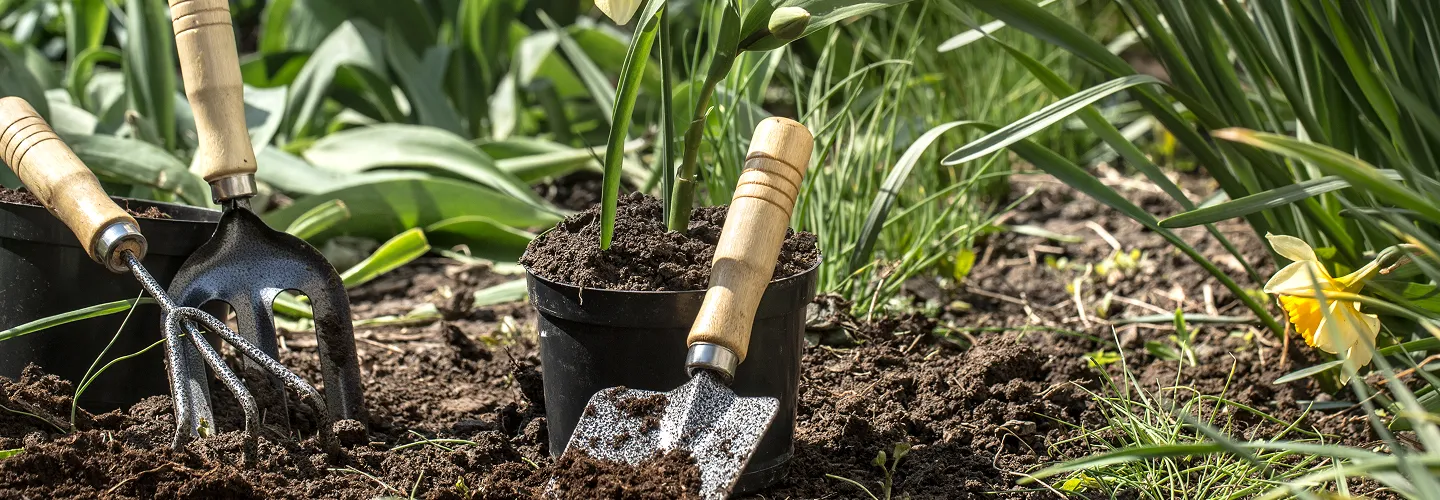
Warner Ranch Plant Removal Services
Choose our plant removal services for safe, thorough, and environmentally responsible solutions that restore your landscape’s beauty and health—handled by experienced professionals you can trust.
Get a Free QuoteOur Warner Ranch Landscaping & Yard Care Services
When to Schedule Plant Removal in Warner Ranch, Arizona – Seasonal Guide
In Warner Ranch, Arizona, timing your plant removal is crucial for both the health of your landscape and compliance with local guidelines. The best periods for plant removal typically fall between late winter and early spring, just after the last frost date and before the intense summer heat sets in. This window allows for easier root extraction and minimizes stress on surrounding vegetation. Warner Ranch neighborhoods, such as those near Kyrene de la Mariposa Elementary and the Warner Ranch Park, often experience microclimates influenced by shade coverage and soil composition, making it important to assess each property individually.
Local environmental factors—like the region’s clay-heavy soils, periodic drought risk, and fluctuating humidity—play a significant role in determining the optimal removal schedule. For example, areas with dense shade or proximity to the Western Canal Trail may retain moisture longer, affecting both plant growth and removal logistics. Additionally, municipal restrictions and seasonal precipitation patterns can impact when and how removal services are performed. For more information on local regulations and best practices, visit the official municipal resource.
Local Factors to Consider for Plant Removal in Warner Ranch
- Tree and shrub density on your property
- Soil type (clay, sandy, or loamy)
- Proximity to landmarks like Warner Ranch Park or Western Canal Trail
- Seasonal precipitation and drought risk
- Frost dates and temperature fluctuations
- Municipal restrictions or permit requirements
- Terrain and accessibility for equipment
Benefits of Plant Removal in Warner Ranch
Expert Landscaping Team
Efficient Plant Removal
Eco-Friendly Disposal
Improved Curb Appeal
Customized Landscaping Solutions
Competitive Pricing
Warner Ranch Plant Removal Types

Tree Removal
-
Shrub Removal
-
Stump Grinding
-
Invasive Species Removal
-
Root System Extraction
-
Groundcover Removal
-
Hedge Clearing
Our Plant Removal Process
Site Evaluation
Preparation and Safety Measures
Plant Extraction
Debris Removal
Site Restoration
Why Choose Warner Ranch Landscape Services
-
Warner Ranch Homeowners Trust Us
-
Expert Lawn Maintenance
-
Reliable Irrigation Solutions
-
Comprehensive Weed Control
-
Professional Tree and Shrub Care
-
Seasonal Cleanup Services
-
Competitive Pricing
Coordinating Plant Removal Disposal and Site Cleanup in Warner Ranch
Plant removal in Warner Ranch requires coordination with the City of Tempe's municipal infrastructure for proper disposal routing and site stabilization. Warner Ranch is a master-planned community within Tempe's jurisdiction, and residents undertaking plant removal should be aware of the city's green waste handling expectations. Tempe's Public Works department oversees bulk collection programs and manages guidelines for organic debris generated by landscape removal projects. Property owners and managers should verify current bulk pickup schedules and accepted material types before placing removed plant material curbside, as oversized root balls, soil-laden debris, and chemically treated vegetation may require separate disposal at approved transfer facilities.
- Separate root material from soil and hardscape debris before disposal
- Confirm whether removed plant species contain thorns or irritants requiring special handling
- Avoid placing plant waste near storm drain inlets or within wash corridors
- Contact Public Works to verify bulk organic waste collection parameters for your area
Tempe Public Works Department
Official Website: Tempe Public Works
How Warner Ranch's Alkaline Soils and Desert Heat Affect Plant Removal
Warner Ranch sits within the Phoenix metro low-desert environment, classified under USDA Hardiness Zone 9b to 10a, where summer temperatures routinely exceed 110°F and annual rainfall averages under eight inches. These conditions directly influence plant removal operations in several ways. Root systems of established desert-adapted species such as mesquite, palo verde, and oleander can extend well beyond the visible canopy, penetrating deep into alkaline sandy loam and caliche layers that are characteristic of the area's soil profile. The USDA Web Soil Survey indicates that soils in the south Tempe area commonly feature compacted subdivision fill overlaying native caliche hardpan, which complicates mechanical extraction.
- Caliche layers may require specialized equipment to fracture during root extraction
- Alkaline soil pH (often above 8.0) can bind certain herbicide residues, affecting post-removal site treatment
- Monsoon season (June through September) introduces sudden high-volume runoff that can erode exposed soil left after plant removal
- Reflected heat from block walls and concrete common in Warner Ranch accelerates desiccation of exposed root zones and disturbed soil surfaces
Stabilizing the removal site promptly with decomposed granite, gravel, or replacement plantings is essential to prevent wind erosion and sediment transport during dust storms and monsoon events.
Navigating Warner Ranch's Regulatory Requirements for Plant Removal Projects
Plant removal in Warner Ranch must account for several layers of regulatory compliance. Tempe's code compliance division enforces property maintenance standards that may apply when removal creates bare or eroding lot conditions. If removed vegetation was serving as required landscape screening under the site's original development approval, the property owner may need to coordinate with the Planning Division to confirm whether replacement plantings or alternative screening are required.
- Verify whether the plant to be removed is located within a public right-of-way, which may require city review
- Confirm that removal does not violate HOA covenants, which are common throughout Warner Ranch's subdivisions
- If herbicide application is part of the removal process, applicators must hold appropriate credentials under Arizona Department of Agriculture licensing requirements
- Removal of species listed on the Arizona Department of Agriculture noxious weed list may carry specific handling and disposal obligations
Stormwater compliance is also relevant. Under Arizona DEQ's Phase II MS4 program, sediment and organic debris from removal sites must not enter the municipal storm sewer system. Exposed soil should be stabilized before anticipated rainfall events.
Tempe Code Compliance
Official Website: Tempe Code Compliance
Tempe Pretreatment & Pollution Prevention
Official Website: Tempe Pretreatment & Pollution Prevention
Timing and Methods for Professional Plant Removal in Warner Ranch's Climate
Scheduling plant removal in Warner Ranch requires attention to seasonal extremes and monsoon patterns. The optimal removal window for most established landscape plants falls between late October and early April, when reduced heat stress allows safer equipment operation and gives disturbed soil more time to stabilize before summer storms arrive. Removing plants during peak summer months increases the risk of rapid soil desiccation, dust generation, and worker heat illness.
- Pre-monsoon removal (April through May) should include immediate site stabilization with gravel or erosion blankets
- Root-zone excavation in caliche-heavy soils may require hydraulic breakers or trenching equipment rather than manual digging
- Invasive species removal (such as buffelgrass or fountain grass) should prioritize extraction before seed set, typically in late spring
- Stump grinding should account for subsurface irrigation lines, which are densely routed in Warner Ranch's planned landscape zones
- Debris sorting on site—separating green waste from soil, rock, and hardscape—streamlines disposal and reduces contamination of organic waste streams
Contractors should confirm disposal routing with the city and ensure that transport vehicles are covered to prevent debris from scattering along roadways, consistent with Arizona DEQ stormwater best management practices.
What Neighborhoods Do We Serve Throughout Warner Ranch, AZ?
- Warner Ranch Estates — Larger lot sizes with mature oleander hedges and established mesquite trees often require full root-zone extraction and post-removal grading to restore even surfaces.
- Warner Ranch Tempe — This core subdivision features dense block-wall-enclosed yards where reflected heat accelerates plant decline, and tight access may require compact removal equipment.
- Pecos Park area — Properties adjacent to park corridors and retention basins should coordinate removal carefully to prevent sediment migration into shared drainage infrastructure.
- Kyrene Corridor lots — Homes along the Kyrene Road corridor frequently have front-yard landscape requirements tied to original development standards, and removal may trigger replacement obligations.
- South Tempe neighborhoods near Warner Road — Older irrigated lots in this area may contain overgrown or failing landscape plants with extensive root systems intertwined with aging drip irrigation infrastructure.